September 2025, Seen Through My Prism
If you’ve been following my Digital Pathways, you already know this project is very personal to me. It grows from a quiet curiosity — how the tools around us slowly shape how we see our lives. How our phones become memory keepers. How interfaces become part of our emotional landscape. How documenting life becomes part of living it.
September’s Pathway is now finished. This one feels especially meaningful to me. It feels like a small evolution — in how I see, how I edit, and how I translate life into visual form.
Around the same time, I decided to apply for the Dataland AI Artist Residency. Refik Anadol’s work has long inspired me, especially his ability to turn data into something emotional and alive. The possibility of learning from him as a mentor feels like a very natural next step in my own exploration.
Friday the 13th: Cinema, Creativity, and the Future of Storytelling
A good film always resets something in me. Tonight it was Indecent Proposal playing in the background while I wound down from a long day and posted a carousel of movies that left a mark on me. Somewhere between scenes I felt that familiar creative current return.
I found myself thinking about where storytelling is going. Will it become more experiential, more interactive, more alive? Or will we eventually outgrow scripted entertainment as imagination and technology merge in new ways?
I like the thought that the future of storytelling could become a carefully crafted garden of ideas—where our children are influenced by the highest quality of thought, beauty, and production humanity can offer. Where stories don’t just distract us, but quietly shape better minds.
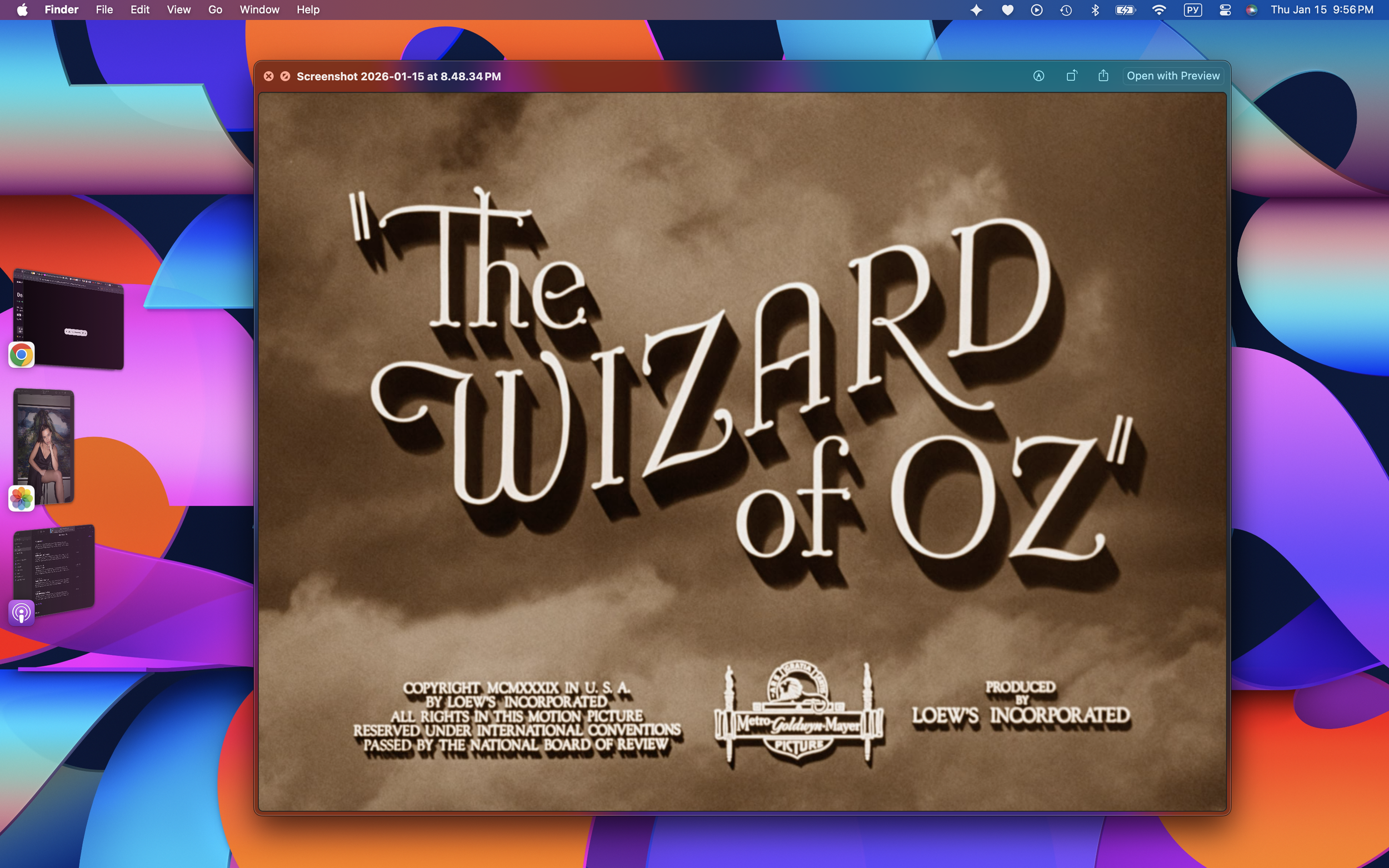
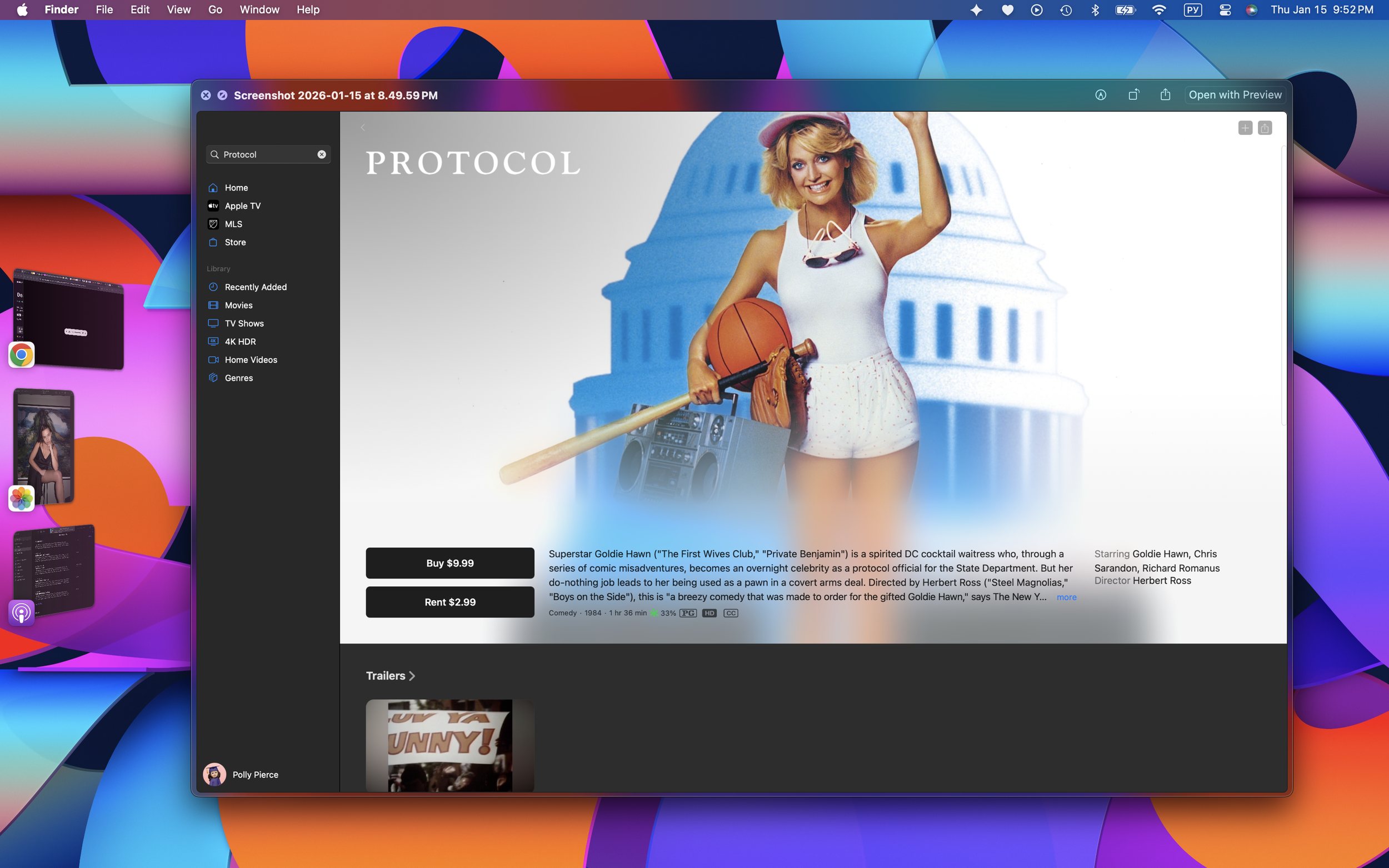
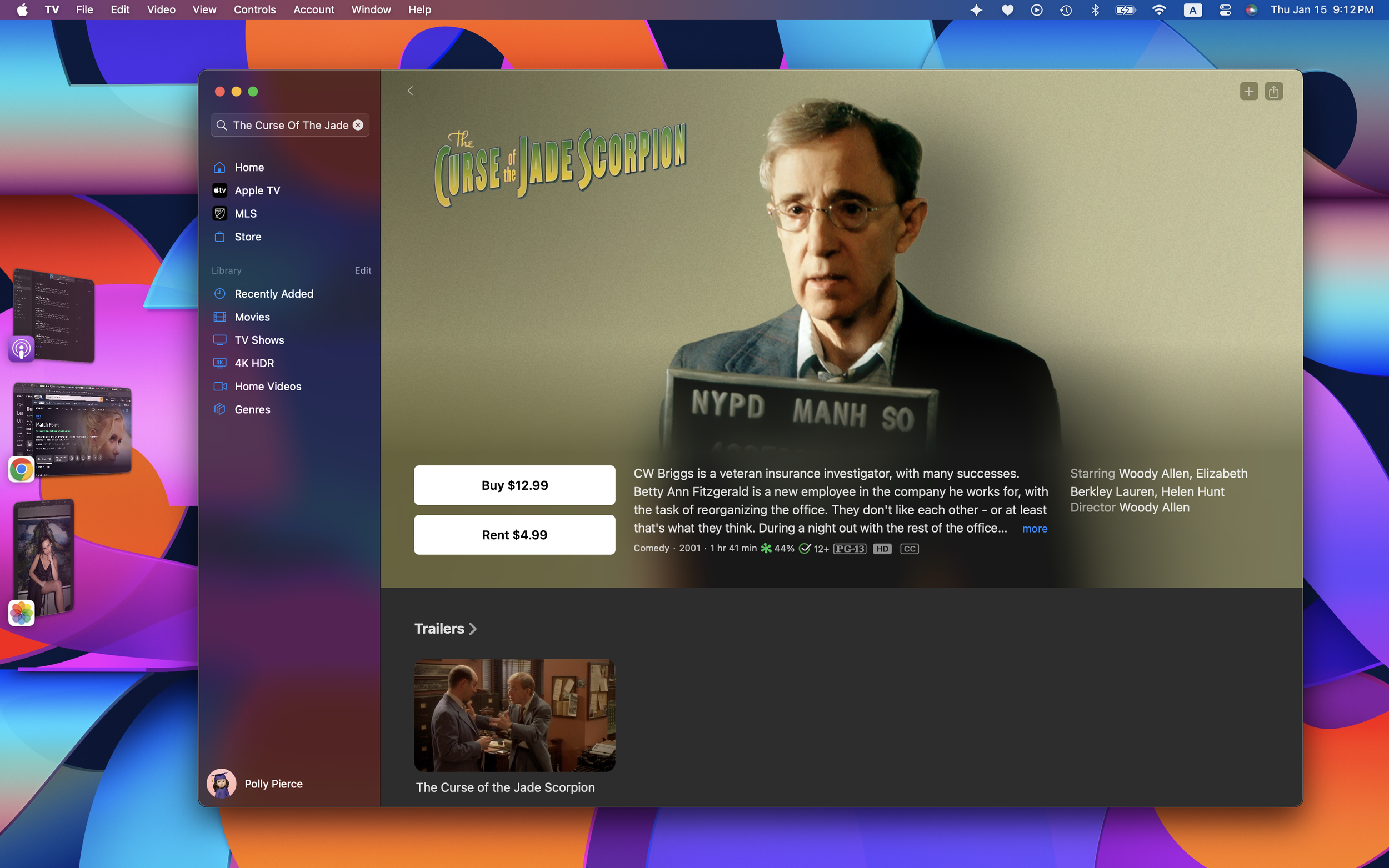
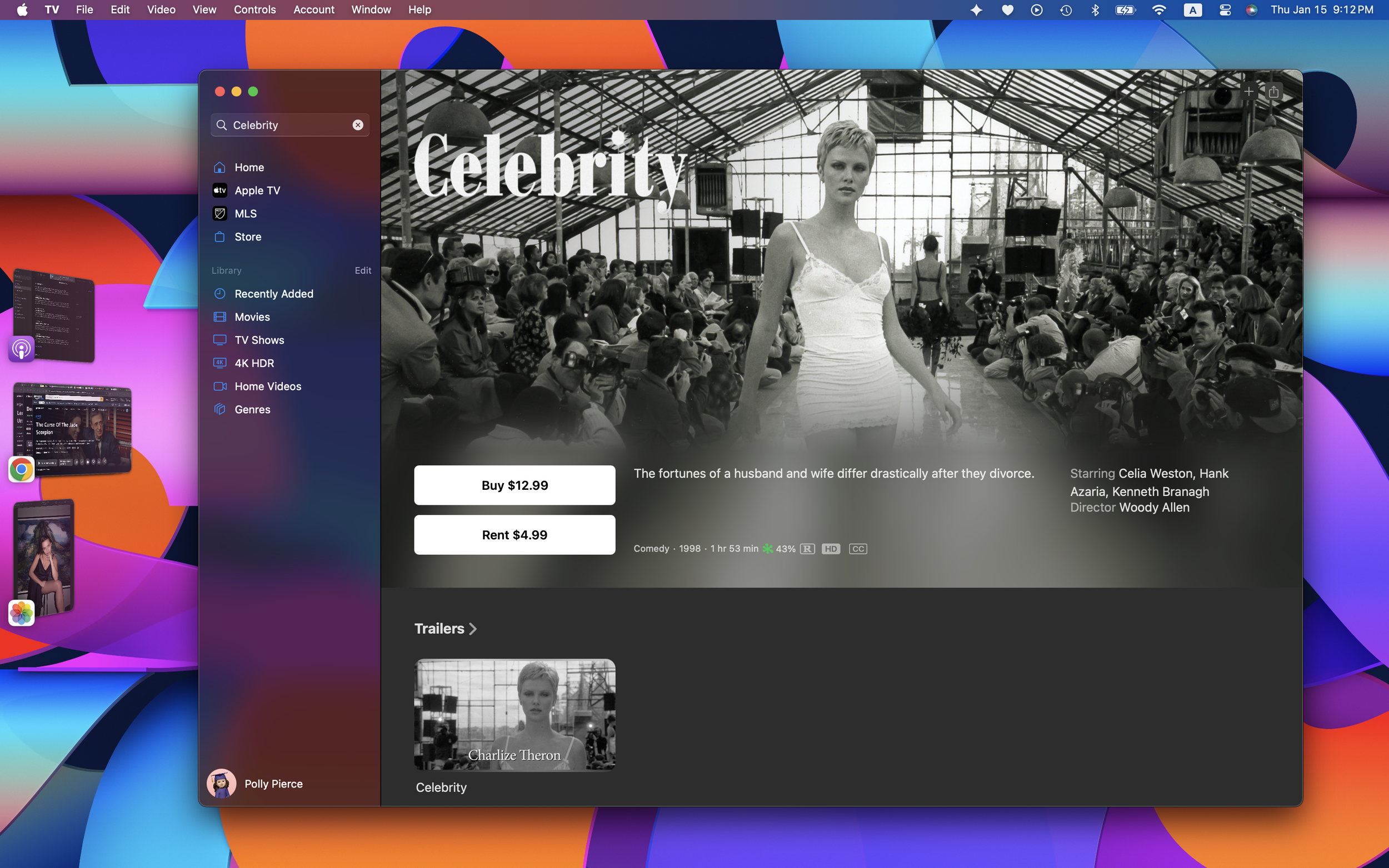
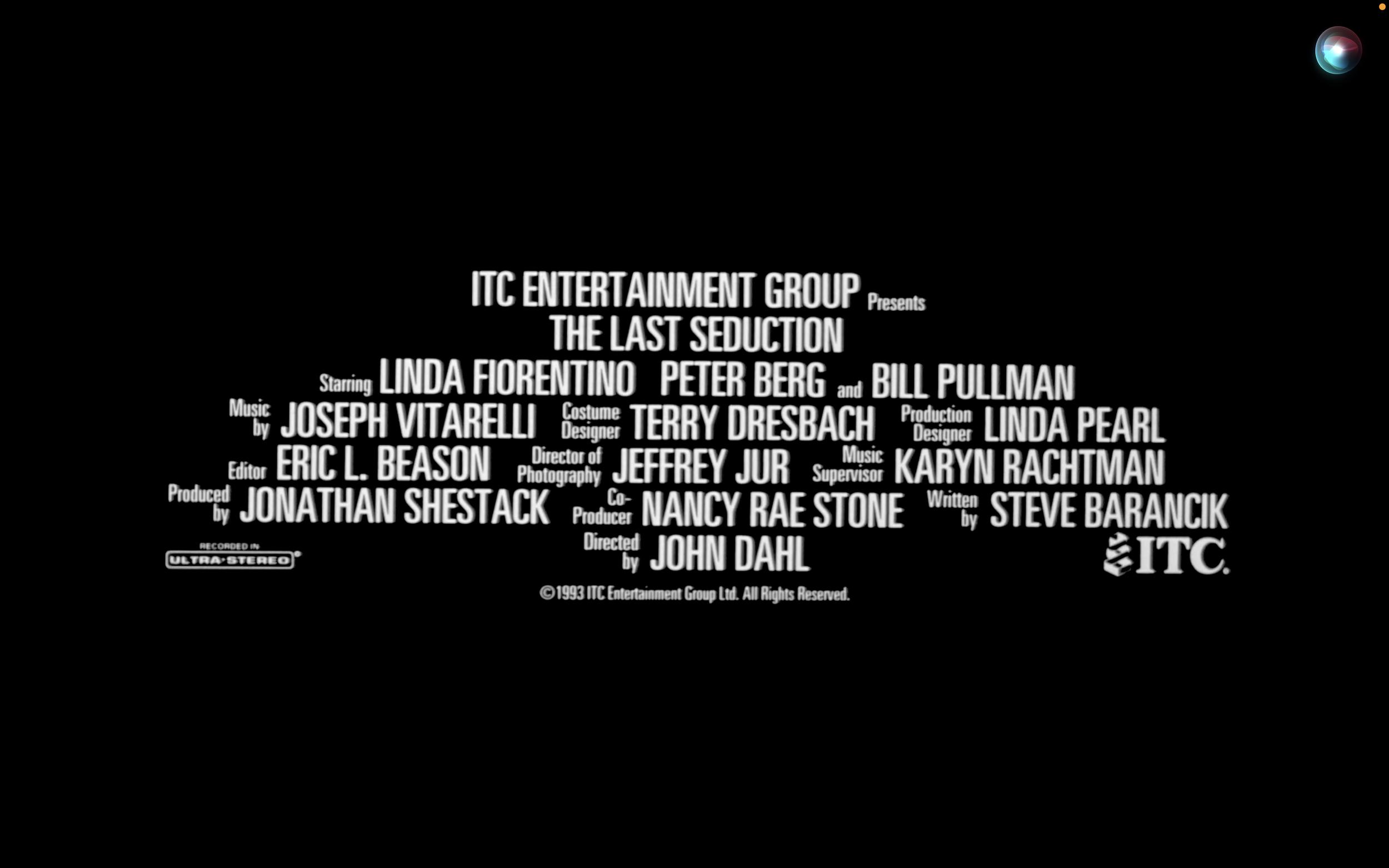
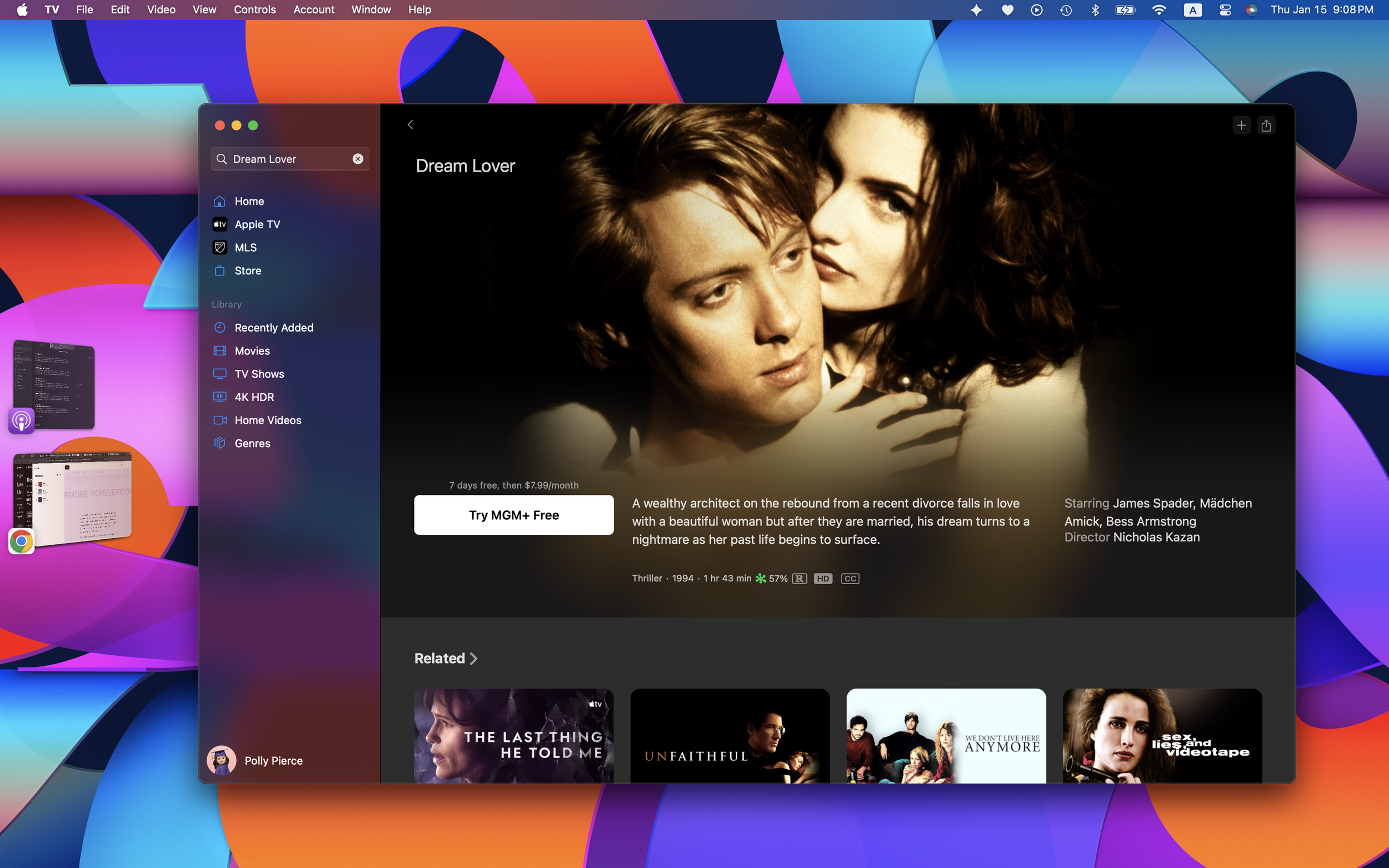
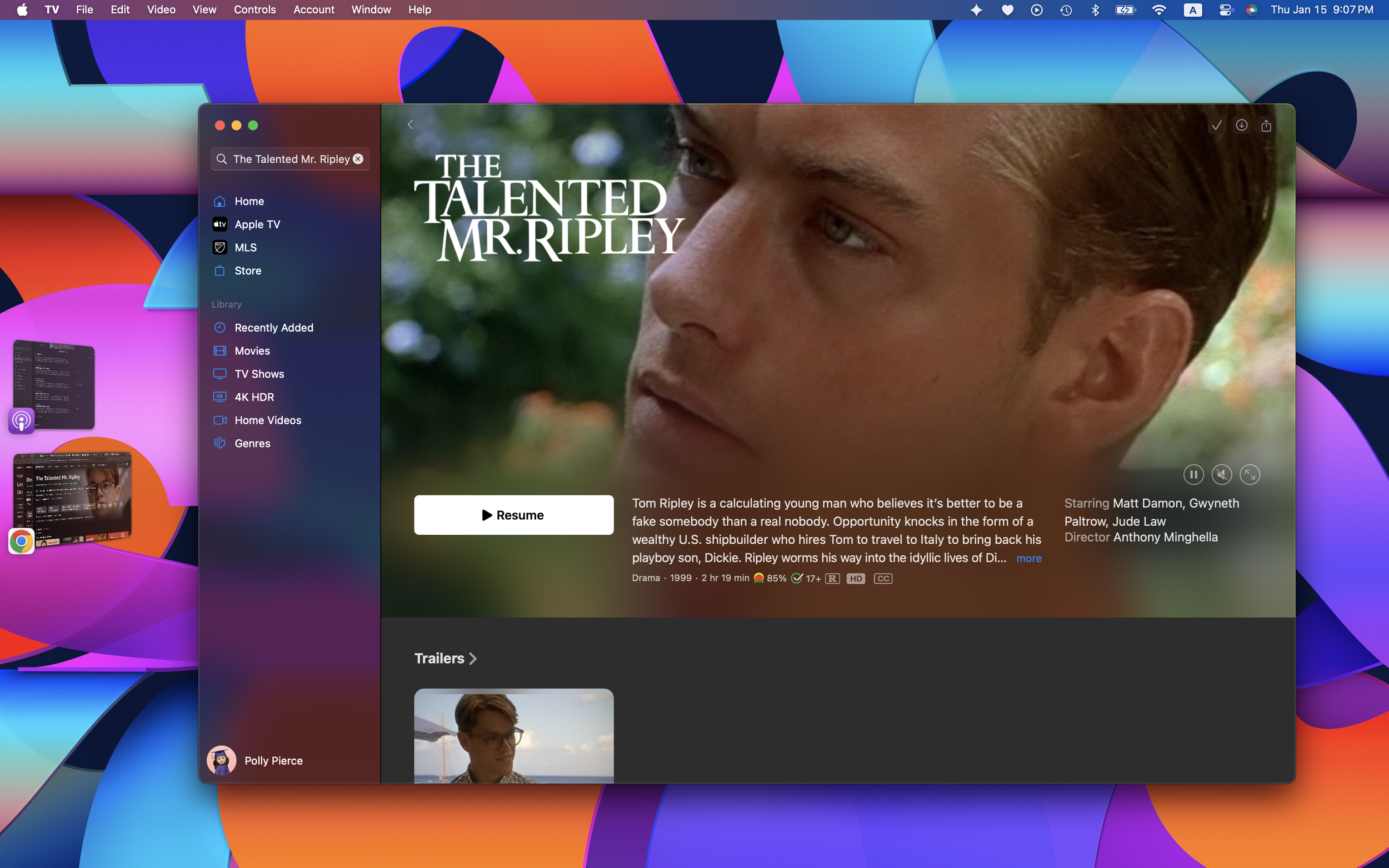
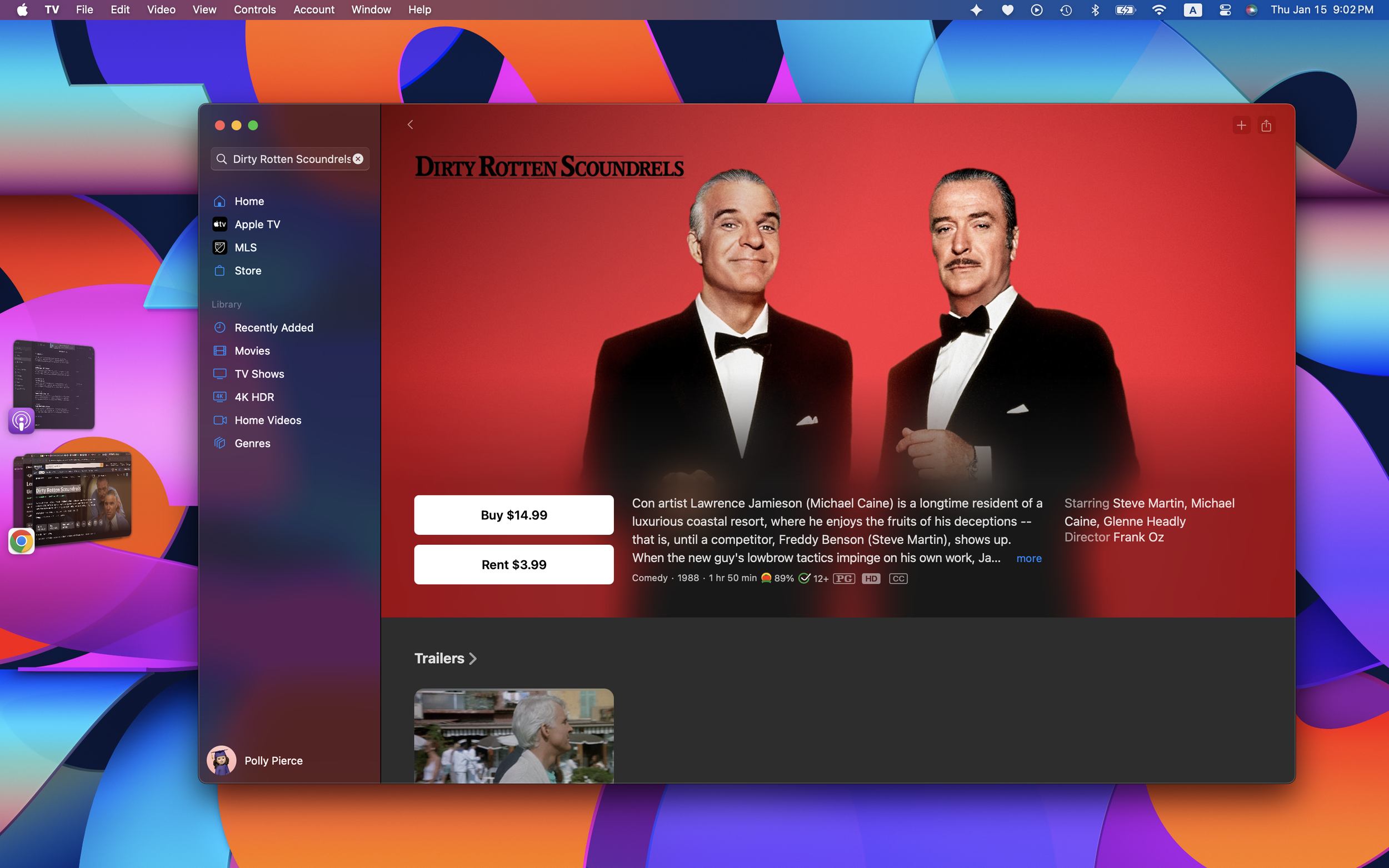
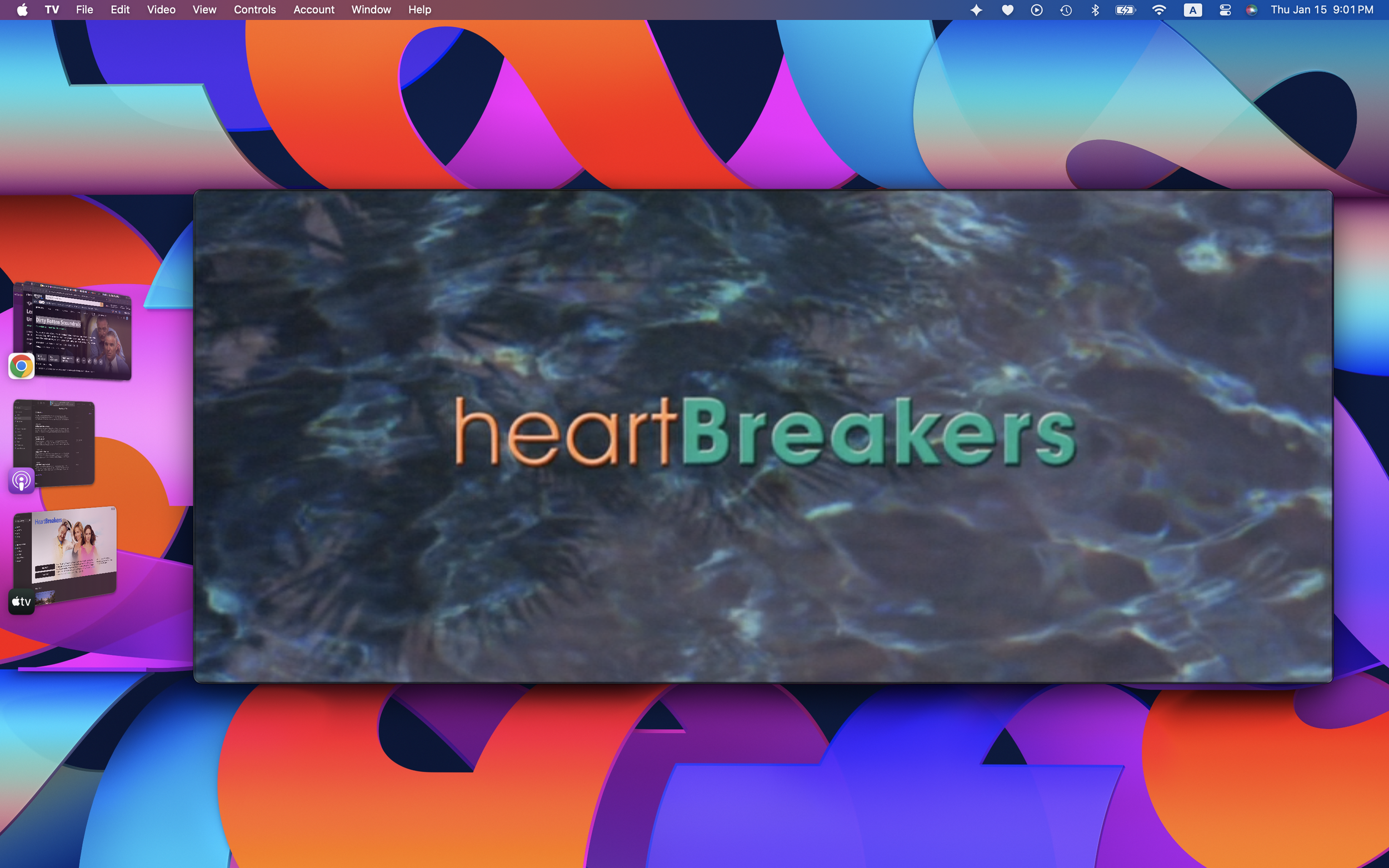
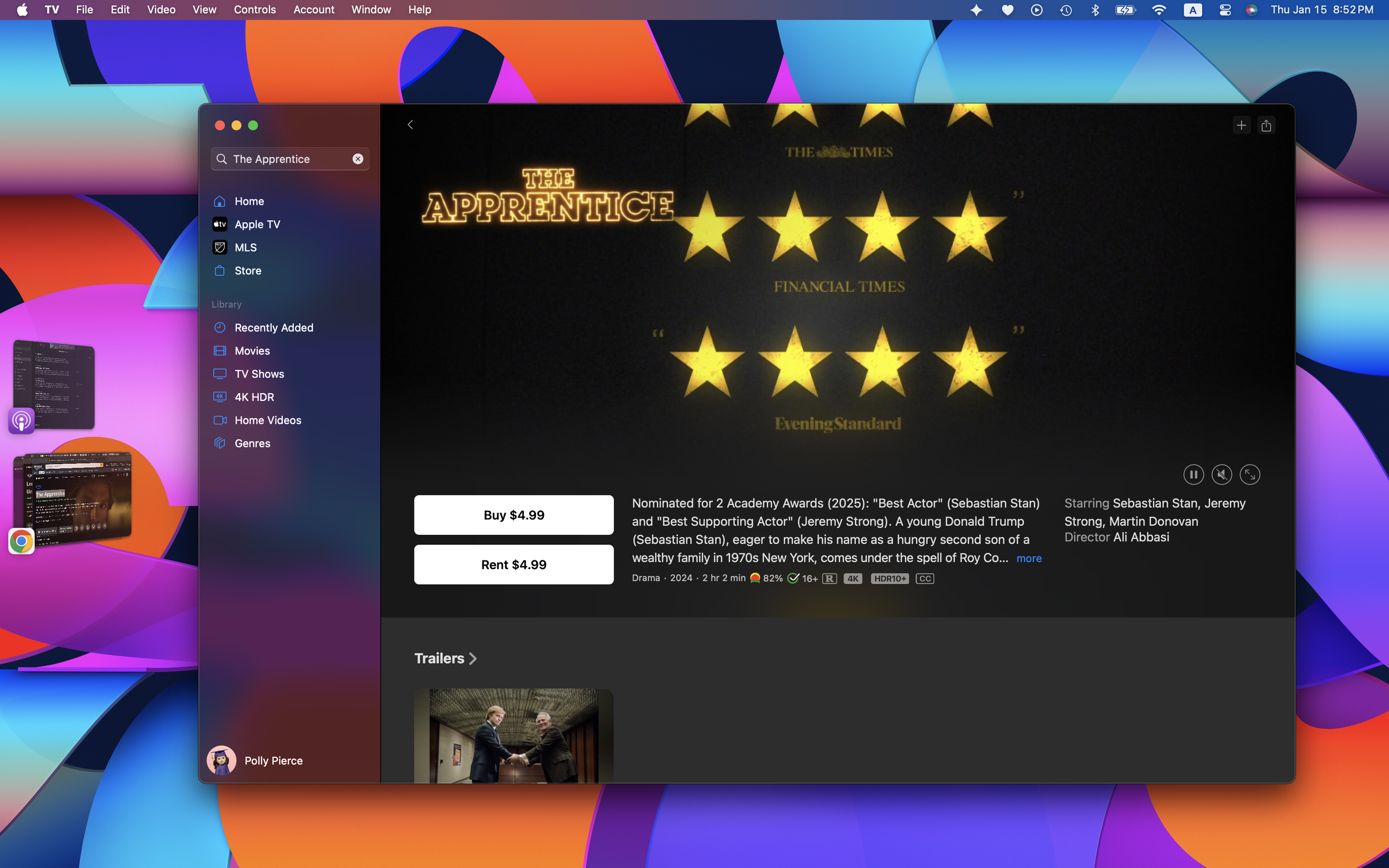
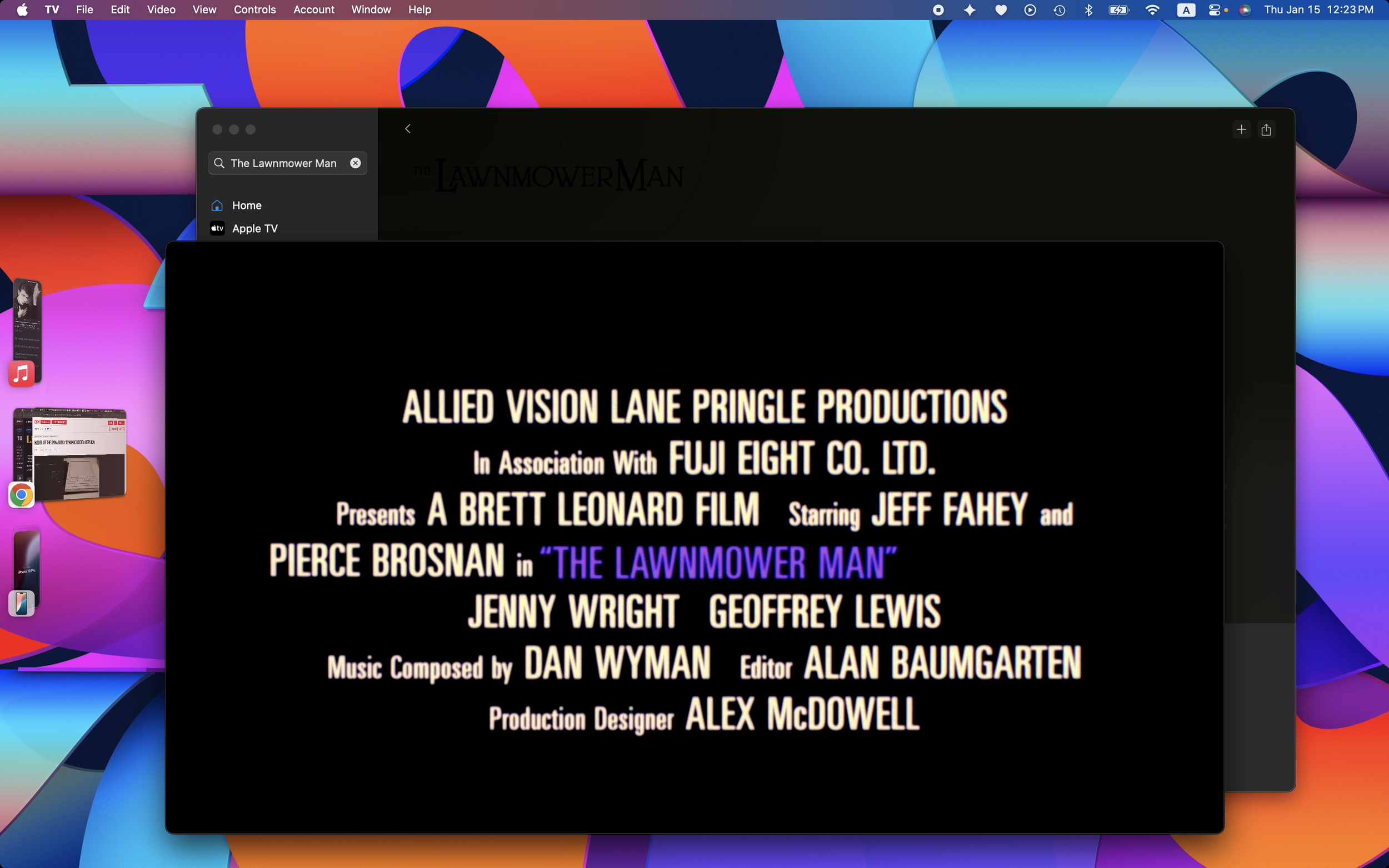
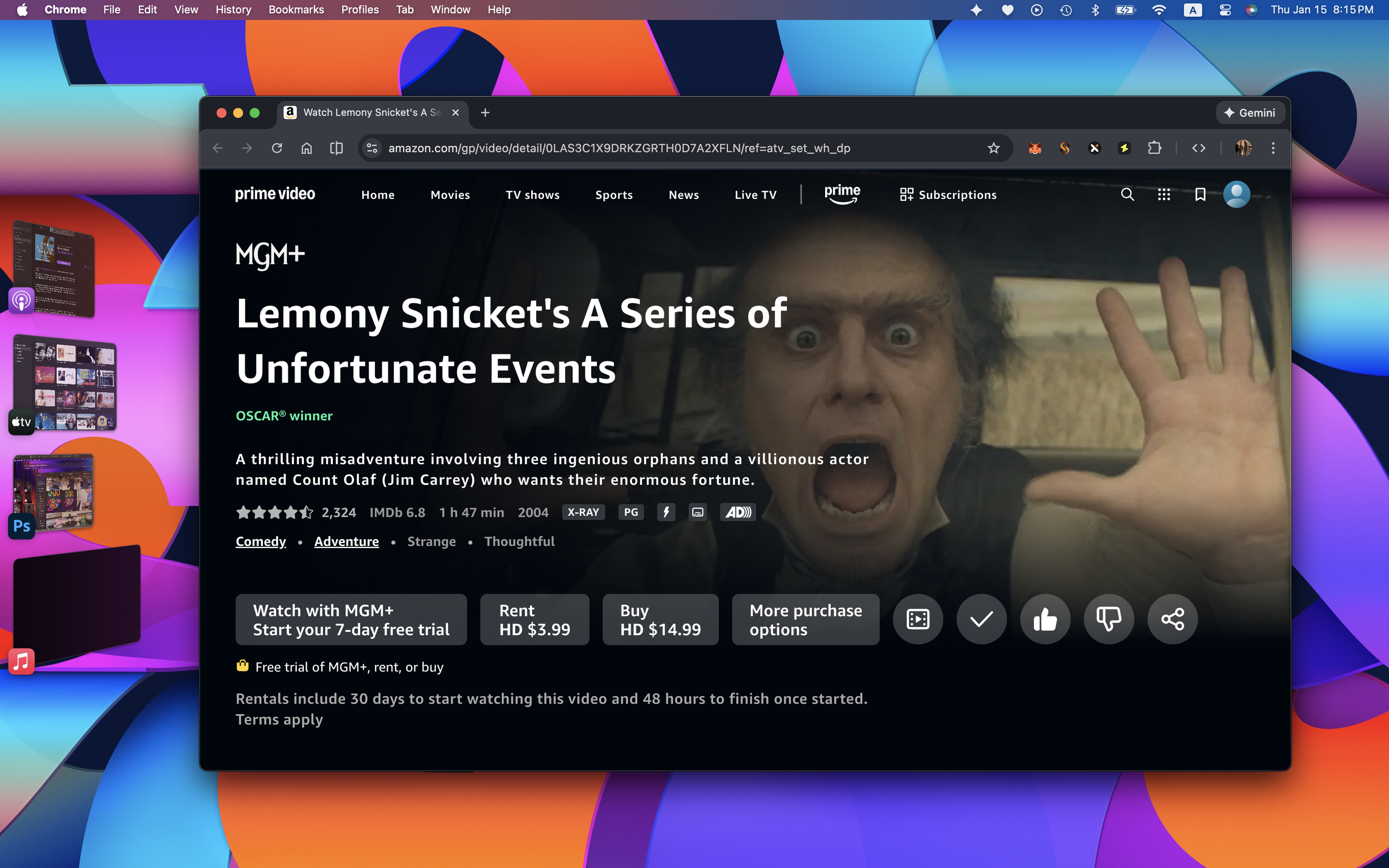
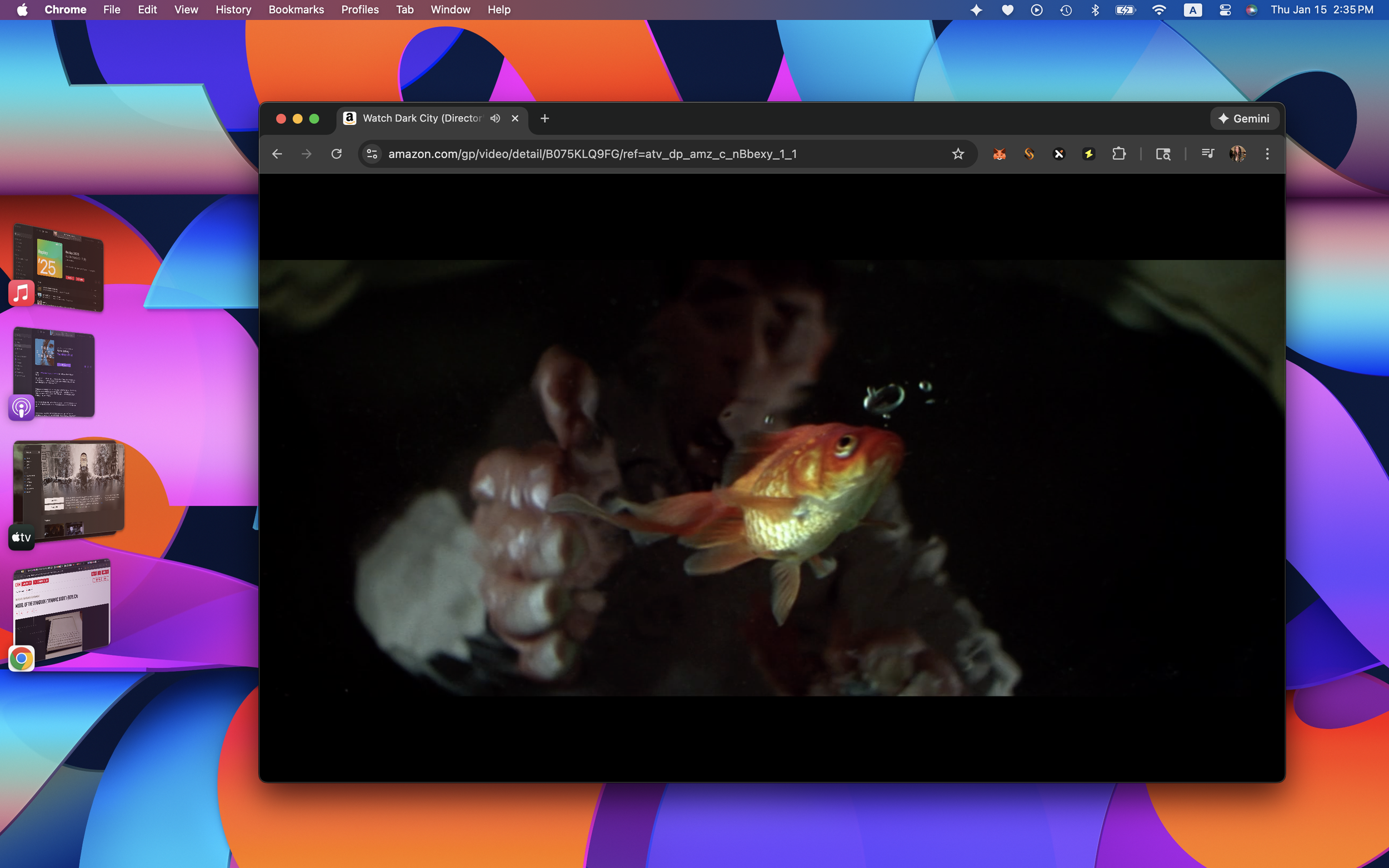
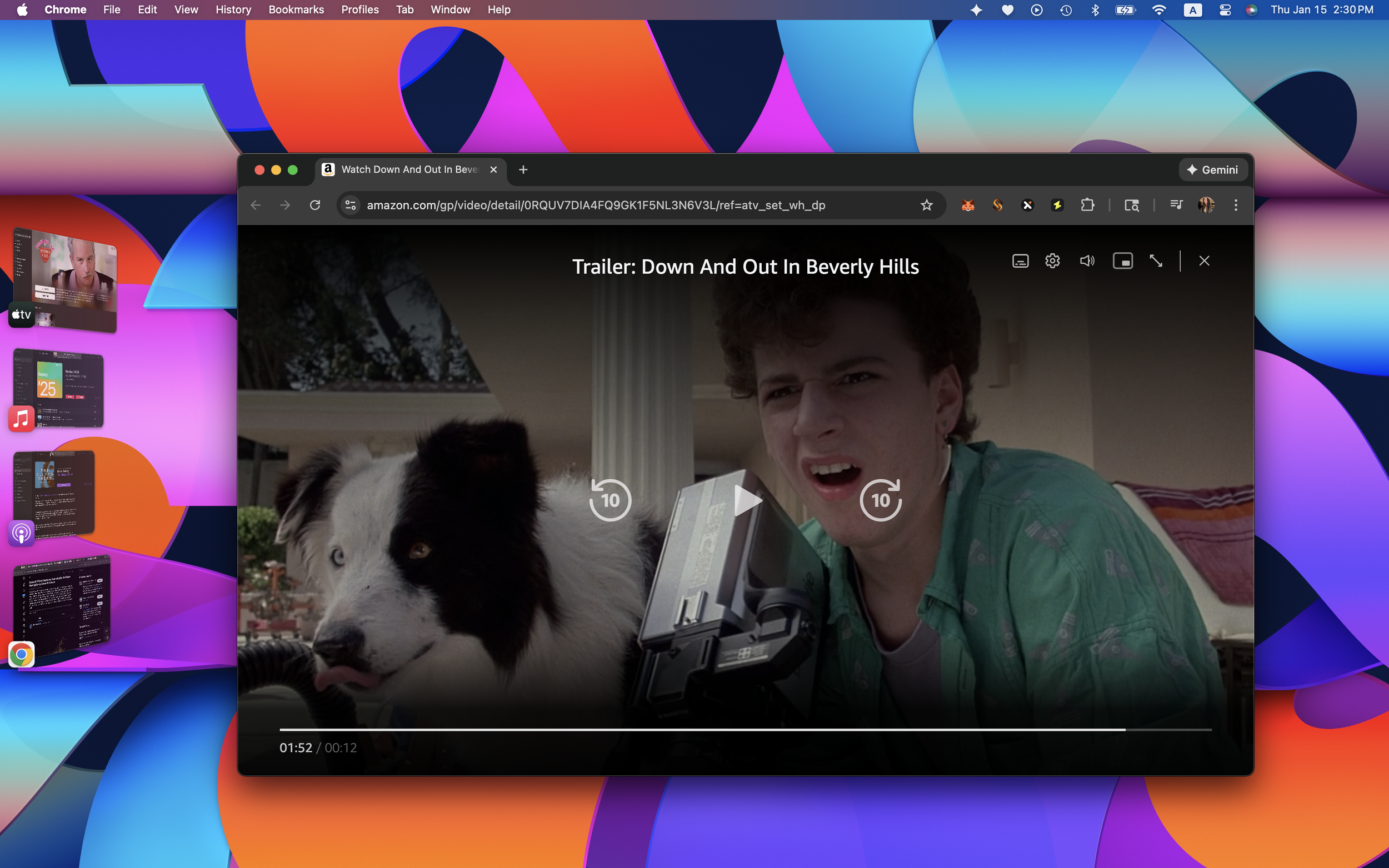
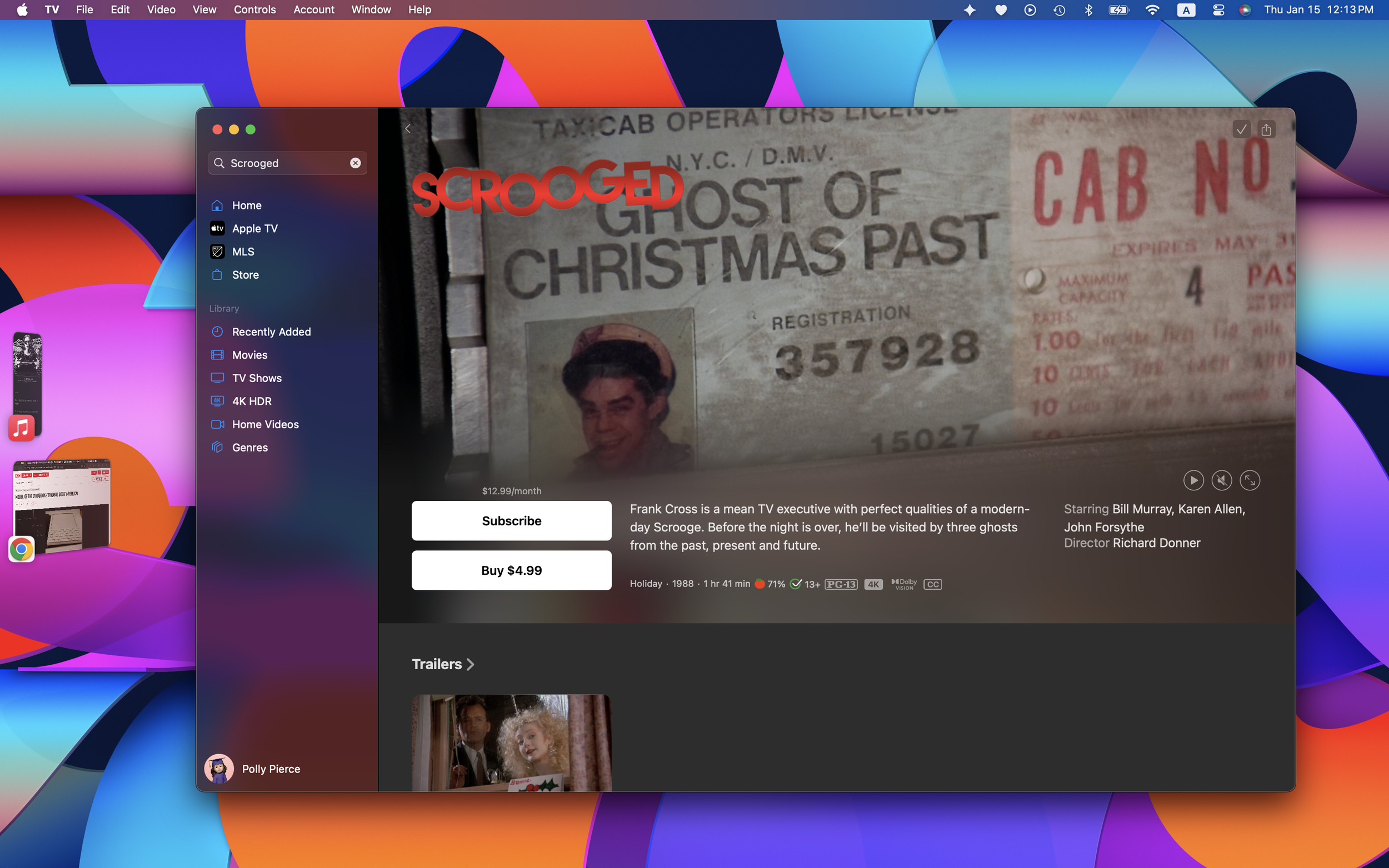
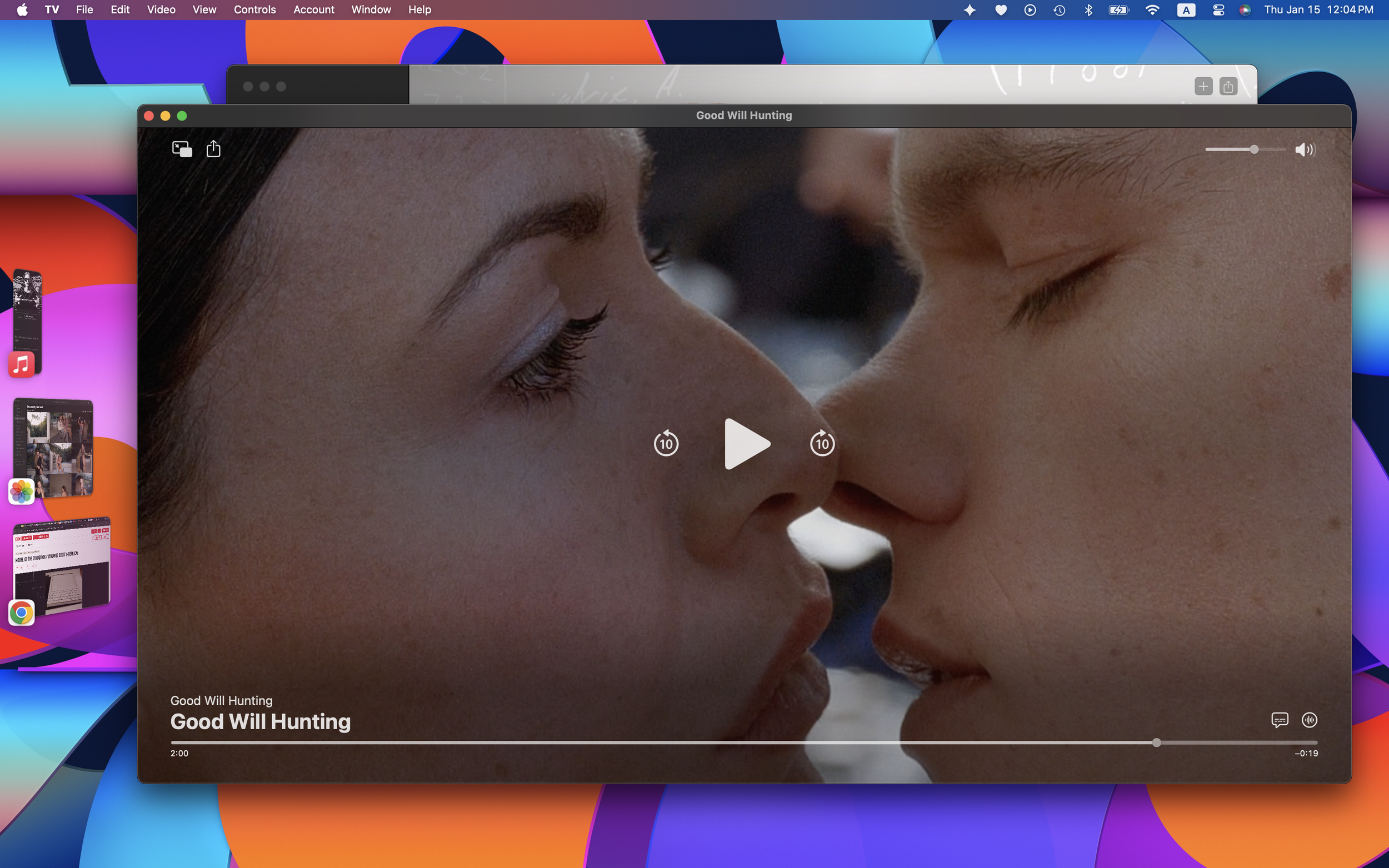
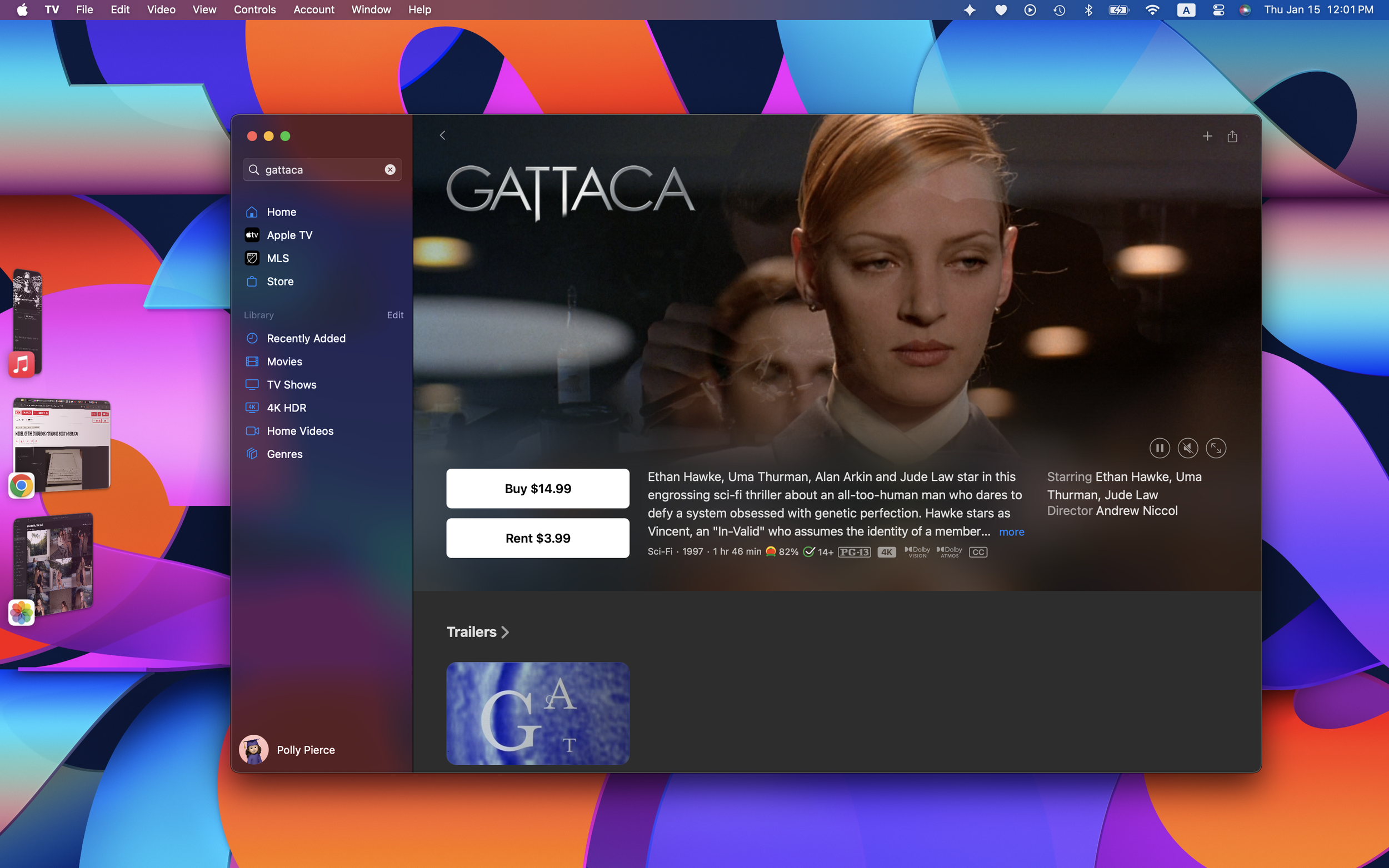
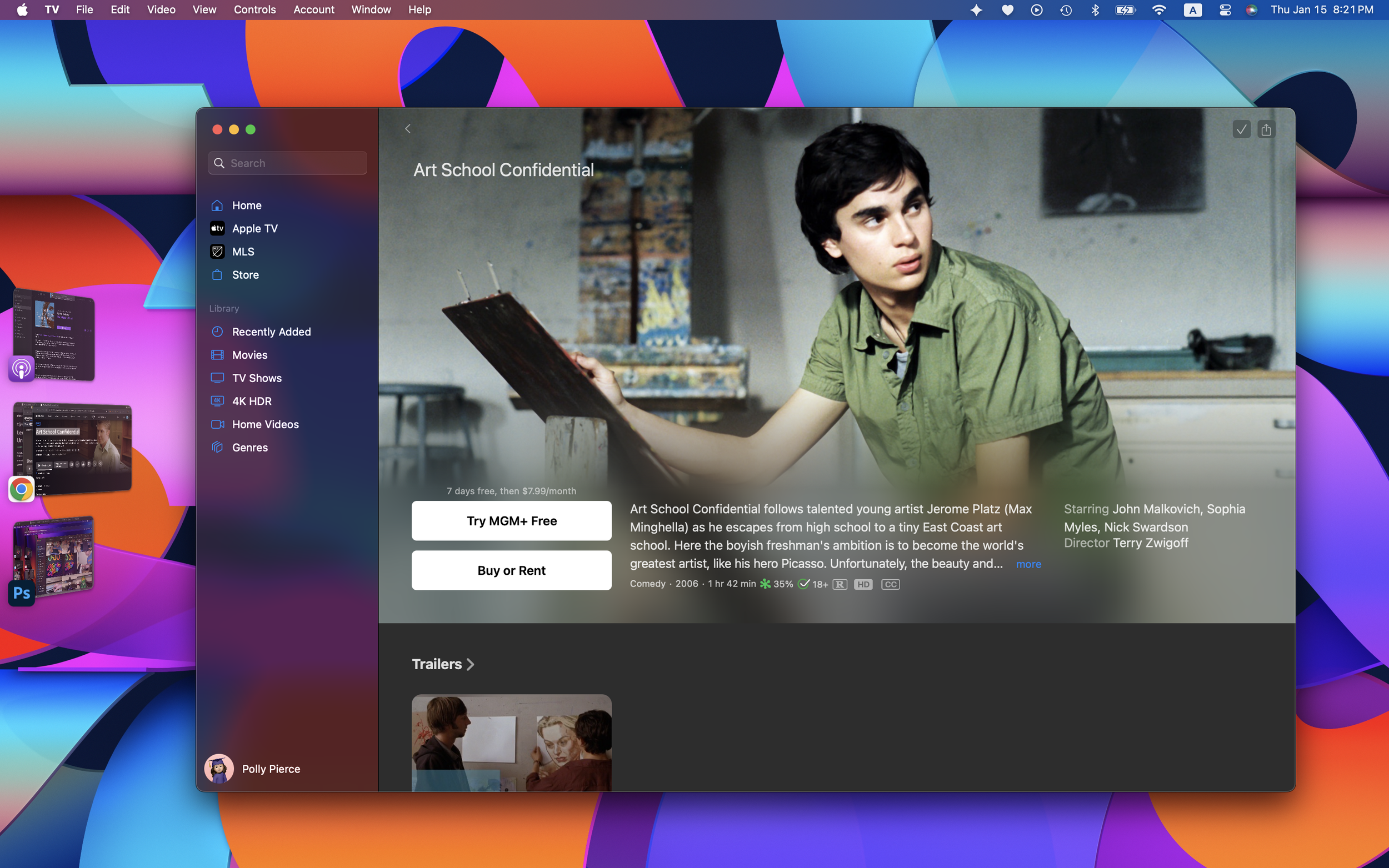
Since I began watching American Playboy, I’ve become more aware of how deeply intertwined Hugh Hefner’s story is with the cultural landscape of America in the 1950s and ’60s. I was surprised to learn that one of Playboy’s central battles was for freedom of expression and freedom of speech. Beyond the centerfolds I had long associated it with, the magazine positioned itself as a platform for bold, authentic voices.
Among those featured were Malcolm X, Bob Dylan, and Steve Jobs.
With a three-day #AppleLaunch announcement unfolding, I revisited the interview Steve Jobs gave to Playboy in 1985. I looked it up and had Siri read it aloud while I played with screen capture — layering past dialogue with present technology.
February is quietly competing for “Month of the Year.”
So many of my closest people are Aquarius — we’ve been celebrating birthdays for weeks. I traveled to Mammoth and it was more beautiful than I expected. And somehow this single month holds Groundhog Day, Lunar New Year, Valentine’s Day, Presidents’ Day — and we’re only halfway through. It feels symbolically dense. Almost ceremonial.
Last year, I was primarily turned inward — examining myself, my life, my reflection through a creative lens. This year I feel the lens widening. I want to shift from the intimate and personal toward the historically celebrated, the humanitarian, the culturally significant — to test how much meaning can be held, translated, and encapsulated within a single pathway.
To open this new chapter of Digital Pathways, I composed an ultra-romantic digital symphony on February 14th — a gesture of expansion. A soft pivot from “me” toward “us.”
It’s February 2nd — Groundhog Day.
I found myself contemplating the nature of existence through poetry, questioning reality in a creative way.
Have you ever wondered who you would become—and what you would change in the world—if time were no object?
Also, which Bill Murray character is your favorite? Scrooged and Groundhog Day get me every time.
Shot entirely on the phone and edited in a single day, the piece reflects my evolving relationship with tools: from once-coveted cinema cameras to the devices I live with daily. As my hardware has grown lighter, my editing has become more precise.
The film is built from six frames captured during a quiet Los Angeles afternoon while my Latvian girlfriend Anna was visiting. A woman sunbathes and reads a book on Film Noir. The camera lingers on a portrait of Anthony Perkins and the line, “Mother… she is just a stranger,” gently invoking an Old Hollywood psychological tension I deeply admire.
My cinematography leans toward raw beauty—sensuality, nude art, nature, genuine emotion. By contrast, my editing is architectural: rhythmic, deliberate, interface-aware. It reveals not only the story, but the digital space in which the story is shaped.
Past and future meet here—classic cinema, contemporary tools, and a personal sound motif “Of course, Polly” composed earlier with Suno—collapsing into a single screen experience that feels intimate, self-referential, and quietly precise.